How to Clean a Microwave Quickly and Safely at Home
Simple ways to remove stubborn food stains, grease and unpleasant smells using everyday household ingredients.

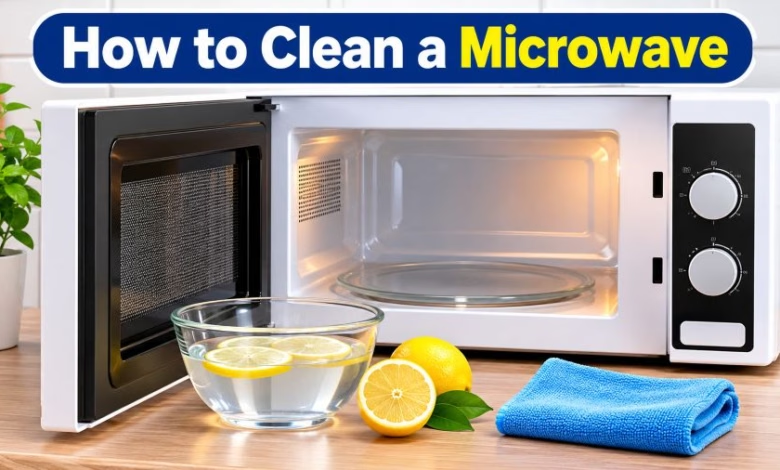
Opening your microwave and finding dried pasta sauce, greasy walls or yesterday’s food splashes isn’t exactly pleasant. And the longer you leave those stains, the harder they become to remove.
Luckily, cleaning doesn’t need much effort.
If you’re wondering how to clean a microwave without spending money on expensive cleaning products, warm water, lemon juice and white vinegar are good places to start.
A little steam can loosen dried food, making it much easier to wipe away. Even a seriously dirty microwave can often be cleaned without heavy scrubbing.
Quick Facts About Microwave Cleaning
| Cleaning Factor | Details |
|---|---|
| Best cleaning method | Steam cleaning |
| Typical cleaning time | 10–15 minutes |
| Common ingredients | Lemon, vinegar and water |
| Best cloth | Soft microfibre cloth |
| Routine cleaning | Once a week |
| Food spills | Clean after use, once cool |
| Best grease remover | Mild washing-up liquid |
| Cleaning difficulty | Easy |
| Harsh chemicals required | No |
Why Should You Clean Your Microwave Regularly?
Microwaves deal with food every day. Soups splash, butter melts, sauces bubble over, and small food particles collect underneath the glass plate.
These little messes soon build up.
Old food residue can create unpleasant smells and may burn during later cooking sessions. Grease can also collect around the microwave door and other interior surfaces.
Regular cleaning keeps your appliance in better condition and makes everyday food preparation more pleasant.
It’s a small household job that saves you from much tougher cleaning later.
What Do You Need to Clean a Microwave?
Check your kitchen cupboards before buying anything. You probably have most of the things you need already.
Useful cleaning supplies include:
- Fresh lemon or lemon juice
- Distilled white vinegar
- Warm water
- Mild washing-up liquid
- Bicarbonate of soda
- A microwave-safe bowl
- A soft microfibre cloth
- A non-abrasive sponge
- Oven gloves
You don’t need everything listed above. Pick a method based on the type of dirt inside your microwave and the manufacturer’s cleaning instructions.
How to Clean a Microwave Step by Step
Steam cleaning works well for ordinary food splashes and dried deposits. It softens the mess before you wipe it away.
Step 1: Prepare Your Cleaning Solution
Pour around 250ml of water into a microwave-safe bowl. Add one tablespoon of lemon juice or white vinegar.
Use either ingredient. There’s no need to combine both.
Step 2: Heat the Water
Place the bowl inside your microwave. Follow the manufacturer’s heating instructions.
Some manufacturers recommend heating this mixture for two to five minutes. The actual time depends on the microwave’s power and settings.
Avoid overheating the water.
Step 3: Allow the Steam to Work
Keep the microwave door closed for a few minutes after heating.
The steam helps soften dried food deposits on the interior walls. Allow the hot liquid to cool before touching or moving the bowl.
Step 4: Wipe the Interior
Switch off and unplug your microwave before manually cleaning it.
Carefully remove the bowl and use a soft, damp cloth to wipe the ceiling, walls and floor.
Pay attention to the corners. Food often collects in places you rarely notice.
Step 5: Wash the Turntable
Remove the glass plate once it has cooled completely. Wash it with warm water and mild washing-up liquid.
Rinse away the soap and dry the plate before putting it back.
Step 6: Clean the Door and Dry the Microwave
Wipe the inside of the door, its sealing surfaces and the handle.
Use a clean cloth to remove remaining moisture. Once everything is dry, return the removable parts to their proper positions.
How to Clean a Microwave With Lemon
Lemon is a popular household cleaning ingredient, particularly if you dislike the smell of vinegar.
It can help reduce lingering food odours while the steam loosens dried splashes.
Here is how to use it:
- Fill a microwave-safe bowl with 250ml of water.
- Add one tablespoon of lemon juice.
- Heat according to your appliance instructions.
- Keep the door closed briefly.
- Allow the liquid to cool.
- Unplug the microwave and carefully remove the bowl.
- Wipe the interior with a damp cloth.
This method works well for ordinary food deposits and smells left behind by reheated meals.
Just don’t mistake a fresh lemon smell for complete disinfection.
How to Clean a Microwave With Vinegar
White vinegar is another inexpensive cleaning choice. Its acidic nature can help with some food deposits and lingering smells.
Mix one tablespoon of white vinegar with 250ml of water in a microwave-safe bowl.
Heat the mixture for the time recommended by your microwave manufacturer. Let the steam soften the dirt and wait until the bowl is safe to handle.
Unplug the appliance before wiping the inside.
If a vinegar smell remains, wipe the surfaces again with a clean cloth dampened with plain water.
Leave the door open briefly while the switched-off microwave dries.
How to Clean a Microwave With Baking Soda
Baking soda, commonly called bicarbonate of soda in the UK, can be useful for handling lingering smells and certain stubborn food stains.
But check your appliance manual first.
If the manufacturer permits baking soda for surface cleaning, mix a small amount with water to make a soft paste.
Gently apply it to the affected area using a soft cloth. Remove all residue with clean water, then dry the surface.
Never scrub aggressively. Baking soda has mildly abrasive properties that may damage certain interior finishes.
Keep the mixture away from ventilation holes, electronic controls and the waveguide cover.
How to Clean a Microwave Without Vinegar
Not everyone likes vinegar. The good news is that you can clean a microwave without it.
Plain water works for steam cleaning, while mild washing-up liquid helps remove greasy deposits.
Start by heating water in a microwave-safe bowl according to the appliance instructions.
Allow it to cool, unplug the microwave and remove the bowl carefully.
Mix a little washing-up liquid with warm water. Dip a soft cloth into the mixture, squeeze out excess moisture and wipe the interior.
Remove any soap residue with a clean damp cloth.
That’s pretty much it.
How to Deep Clean a Very Dirty Microwave
A microwave that hasn’t been cleaned for weeks may need extra work. Dried cheese, old sauce and cooking grease can become particularly difficult to remove.
Start by removing loose food particles. Use the steam cleaning method to soften the remaining dirt.
Once the microwave is cool and unplugged, clean the interior using mild soapy water.
Take out the turntable and roller ring if your appliance allows it. Wash them separately and clean the area underneath.
For stubborn deposits, repeat the steam treatment rather than using sharp tools.
Avoid scraping the microwave walls with knives, metal spatulas or wire brushes. These can damage the protective interior coating.
A second gentle clean is better than damaging the appliance.
How to Remove Grease From a Microwave
Grease often collects on the ceiling and side walls, especially after heating buttery foods, sauces and meals containing cooking oil.
Mild washing-up liquid is a good choice for this job.
Add a few drops to warm water and dampen a soft cloth. Carefully wipe the greasy areas after switching off and unplugging the microwave.
Repeat if necessary, then remove the soap residue with plain water.
Dry the surfaces before using the appliance again.
Avoid strong oven cleaners unless the microwave manufacturer specifically approves them.
How to Remove Burnt Smells From a Microwave
Burnt popcorn is a common example. The food itself may be gone, but that unpleasant smell can stay behind.
First, remove any burnt food and clean visible residue.
Try steam cleaning with lemon water or diluted white vinegar. Once the microwave has cooled, unplug it and wipe the interior thoroughly.
If the smell remains, you can try leaving an open container of bicarbonate of soda inside the switched-off appliance overnight to absorb lingering odours.
Remove the container before using the microwave again.
An electrical burning smell is different. If you notice damaged components, unusual smoke or a smell of burning plastic, stop using the microwave and arrange a professional inspection.
How to Remove Stubborn Microwave Stains
Different food stains may need slightly different cleaning methods.
| Type of Stain | Suggested Cleaning Method |
|---|---|
| Tomato sauce | Steam and mild soapy water |
| Cooking oil | Washing-up liquid |
| Melted butter | Warm soapy water |
| Dried cheese | Steam cleaning |
| Chocolate | Warm damp cloth and mild soap |
| Soup splashes | Steam and a soft sponge |
| Burnt food residue | Repeated gentle steam cleaning |
| Sticky sugar | Warm damp cloth |
| Fingerprints | Soft microfibre cloth |
| Yellow stains | Manufacturer-approved mild cleaner |
Some stains may leave permanent discolouration. Don’t damage the microwave’s coating by trying to remove every mark.
If the surface is peeling, badly rusted or scorched, stop using the appliance until the damage has been assessed.
How to Clean a Microwave Turntable
The glass turntable comes into contact with food spills regularly. Cleaning it separately makes the job much easier.
Allow the glass to cool completely before removing it.
Wash it in warm soapy water with a soft sponge. Rinse thoroughly and dry before returning it to the microwave.
Some glass turntables can go in the dishwasher, but this depends on the model.
Avoid placing hot microwave glass into cold water. Sudden temperature changes can cause glass to crack.
Replace a damaged or cracked turntable rather than continuing to use it.
How to Clean the Microwave Door
Food particles and greasy fingerprints can build up around the microwave door and handle.
Use a soft cloth dampened with mild soapy water to clean the glass and surrounding frame.
Carefully wipe the surfaces where the door meets the microwave. Remove food deposits without scratching or damaging these areas.
Never force the door or interfere with its locking mechanism.
If the door is bent, damaged or doesn’t close properly, stop using the microwave and seek professional advice.
How to Clean the Microwave Waveguide Cover
Have you noticed a small rectangular panel inside your microwave that looks a little like cardboard?
That’s often the waveguide cover.
It helps protect the opening through which microwave energy enters the cooking area.
Follow your manufacturer’s instructions when cleaning around it. Avoid soaking, scraping or removing the cover during routine cleaning.
A burnt or damaged waveguide cover may need replacing.
Don’t confuse it with packaging material. It’s a working part of the appliance.
How to Clean the Outside of a Microwave
The outside needs attention too.
Grease, dust and fingerprints can collect around the handle, control panel and exterior walls.
Switch off and unplug the microwave. Wipe accessible surfaces using a soft cloth dampened with warm soapy water.
For stainless steel finishes, wipe in the direction of the grain.
Use very little moisture around the control panel. Never spray cleaning products directly onto buttons, displays or ventilation openings.
Dry the exterior using a clean microfibre cloth.
How to Clean a Microwave Filter
Some microwaves fitted above a cooker contain grease filters or charcoal filters. Ordinary countertop models may not have these parts.
Grease filters can often be removed and washed using warm water and suitable detergent, depending on the appliance instructions.
Standard disposable charcoal filters usually need replacing rather than washing.
Check the manufacturer’s manual for the recommended cleaning and replacement schedule.
Never assume that every microwave filter can be washed.
What Should You Avoid When Cleaning a Microwave?
Some cleaning products are simply too harsh for microwave interiors.
Avoid using:
- Bleach and chlorine-based cleaners
- Steel wool
- Wire brushes
- Sharp metal scrapers
- Strong chemical oven cleaners
- Abrasive cleaning powders
- Unapproved cleaning sprays
- Excessive amounts of water
You should also avoid spraying liquid directly into ventilation openings.
Never remove the microwave’s outer casing. Internal electrical components can remain dangerous even after the appliance has been unplugged.
A soft cloth and mild detergent are usually all you need.
Is Steam Cleaning a Microwave Safe?
Steam cleaning is recommended by several microwave manufacturers, provided you follow the correct instructions.
But hot water needs careful handling.
Water heated in a microwave can sometimes become superheated without visibly boiling. Moving the container can then cause the liquid to erupt suddenly and cause burns.
Always use a suitable microwave-safe container, avoid excessive heating and allow the liquid to cool before handling it.
Never run an empty microwave.
Check your appliance manual before trying any unfamiliar cleaning method.
How Often Should You Clean a Microwave?
For most households, a weekly clean is a reasonable starting point.
Food spills should be removed sooner, once the appliance has cooled. Leaving them until the weekend gives the mess more time to harden.
| Cleaning Task | Suggested Frequency |
|---|---|
| Remove visible food spills | After use, once cool |
| Wipe the interior | Weekly |
| Clean the glass turntable | Weekly or when dirty |
| Clean the door and handle | Weekly |
| Wipe the exterior | Weekly |
| Deep clean | Monthly or as needed |
| Clean or replace filters | According to the manufacturer |
If several people use your microwave throughout the day, you may need to clean it more frequently.
Tips to Keep Your Microwave Clean for Longer
A few small habits can save you a lot of cleaning.
- Cover food with a vented microwave-safe lid.
- Avoid filling bowls too close to the top.
- Remove food splashes once the appliance cools.
- Use suitable microwave-safe containers.
- Avoid overheating meals.
- Wipe away excess condensation.
- Keep the glass turntable clean.
- Check underneath the turntable regularly.
- Follow the appliance’s cooking instructions.
Covering your food makes a big difference. It helps stop sauce and soup from splashing across the interior during heating.
Common Microwave Cleaning Mistakes
Many people make cleaning harder than it needs to be.
One mistake is waiting until the entire interior becomes covered in dried food. Another is using rough sponges to remove stains that could have been softened with steam.
Using too much water is also a problem because moisture may enter electrical areas.
Some people mix vinegar and bicarbonate of soda, expecting a stronger cleaner. The ingredients react and largely neutralise each other, so using them separately is often more practical.
Keep your cleaning routine simple. Follow the microwave manual and avoid unnecessary chemicals.
Final Thought
Learning how to clean a microwave doesn’t require special equipment or expensive products.
Lemon water and diluted white vinegar can help loosen dried food and reduce unpleasant smells. Mild washing-up liquid works well for everyday grease, while a soft cloth helps protect the interior coating.
The best habit is regular cleaning.
Remove spills before they harden, cover food while heating and give your microwave a proper wipe whenever it needs one.
Always follow your manufacturer’s instructions, particularly if your appliance has a special interior finish or a built-in cleaning programme.
Frequently Asked Questions
1. What is the easiest way to clean a microwave?
Steam cleaning is one of the easiest methods. Heat water with a little lemon juice or white vinegar according to your appliance instructions, allow it to cool and wipe away the softened dirt.
2. Is lemon or vinegar better for cleaning a microwave?
Both can help loosen food deposits through steam cleaning. Lemon generally leaves a fresher fragrance, while white vinegar is an inexpensive choice for routine cleaning.
3. How long should I microwave vinegar to clean it?
Some manufacturers recommend heating 250ml of water mixed with one tablespoon of vinegar for two to five minutes. Follow your appliance instructions and avoid overheating the liquid.
4. Can I clean a microwave with just water?
Yes. Steam from plain water helps soften dried food deposits. You can then remove the dirt using a soft damp cloth.
5. Can I use washing-up liquid inside a microwave?
Yes. Mild washing-up liquid diluted with warm water is suitable for routine cleaning on most models. Wipe away any remaining soap before using the appliance.
6. How do I remove a burnt smell from a microwave?
Remove burnt food residue, then try steam cleaning with diluted vinegar or lemon water. Bicarbonate of soda may also help absorb lingering smells when left inside the switched-off microwave.
7. Can a dirty microwave cause a fire?
Accumulated food particles and grease can burn during cooking and contribute to fire risk. Regular cleaning helps prevent food residue from building up.
8. Can I use bleach to clean a microwave?
Bleach is generally best avoided because it may damage certain surfaces and leave unwanted chemical residue. Use mild detergent or a manufacturer-approved cleaner instead.