How to Remove Water Stains From Wood Safely
Simple ways to remove white rings, dark water marks and stubborn stains from wooden furniture, tables and floors.

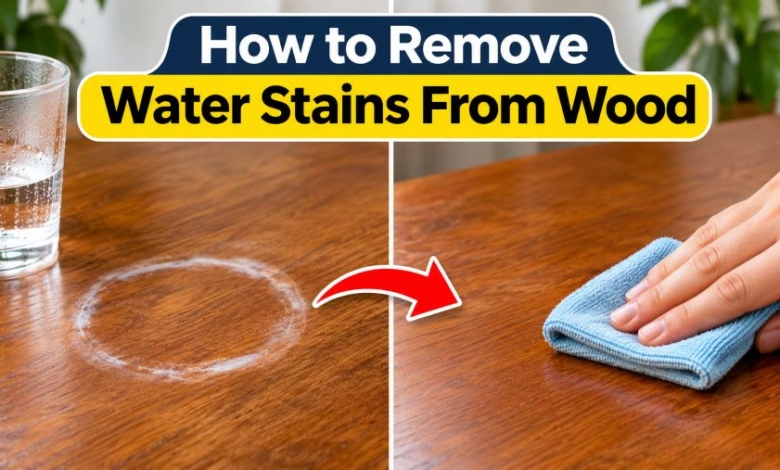
A wet glass left on a wooden table can leave an annoying white ring. Sometimes, even a small spill creates a dark patch that refuses to disappear.
But don’t panic just yet.
Knowing how to remove water stains from wood can help you restore furniture without paying for expensive repairs. The right method depends on the stain, the wood and its protective finish.
Some marks disappear naturally. Others need a little extra care. Deep black stains may even require sanding and refinishing.
Quick Facts About Water Stain Removal
| Feature | Details |
|---|---|
| Common causes | Water spills, condensation and leaks |
| White stains | Usually affect the protective finish |
| Black stains | May indicate deeper wood damage |
| Safest first method | Natural drying |
| Common cleaning tool | Soft microfibre cloth |
| Deep stain treatment | Specialist wood bleach and refinishing |
| Sanding required | Depends on the damage |
| Best prevention | Coasters and immediate spill removal |
| Difficulty | Easy to advanced |
What Causes Water Stains on Wood?
Water stains form when moisture affects the protective coating or enters the wood itself.
Even a cold glass of water can cause trouble. Condensation collects around the bottom of the glass and leaves moisture sitting against the surface.
Common causes include:
- Wet drinking glasses and bottles.
- Hot tea and coffee cups.
- Water leaking from plant pots.
- Excessive moisture during cleaning.
- Damp towels left on furniture.
- Leaking pipes and radiators.
- High indoor humidity.
- Damaged wooden surface coatings.
Wood naturally absorbs moisture when it is not adequately protected. Leaving water on the surface for extended periods increases the risk of permanent damage.
White Water Stains vs Black Water Stains
Before grabbing a cleaning cloth, take a closer look at the mark.
Its colour gives you a useful clue about the damage.
White Water Stains
White stains usually appear as cloudy patches or circular rings. They often form when moisture affects the protective finish rather than the wood underneath.
These marks are generally easier to treat.
Fresh white rings may fade naturally, while older ones might need a suitable furniture restoration product.
Black Water Stains
Black water stains are often more difficult to remove because the moisture may have reached the wood fibres.
Dark marks can also develop when moisture reacts with iron and natural tannins found in certain types of wood, including oak.
Ordinary furniture polish will rarely fix this kind of damage. The affected area may need specialist treatment and a new protective finish.
Brown Water Stains
Brown marks can develop after prolonged moisture exposure. Their appearance may also be connected to changes within the wood or its finish.
Check whether the surface feels swollen, rough or uneven before choosing a cleaning method.
What Do You Need to Remove Water Stains From Wood?
You might already have some useful materials at home.
Depending on the stain, you may need:
- A soft microfibre cloth.
- A clean cotton towel.
- A suitable wood cleaner.
- A hairdryer with a low heat setting.
- Petroleum jelly.
- A specialist water-mark remover.
- Fine-grit sandpaper.
- Compatible furniture oil or finish.
- Protective gloves and safety goggles.
You don’t need everything on this list. Start with the gentlest method and only move to stronger treatments if necessary.
How to Remove Water Stains From Wood: 9 Methods
Not every cleaning trick works on every wooden surface. Try the following methods according to the condition of your furniture.
Always test unfamiliar treatments on a hidden section first.
1. Let the Wood Dry Naturally
This is the safest starting point for recent water marks.
Remove any objects covering the affected area. Blot remaining moisture with a clean, dry cloth.
Leave the furniture in a dry, well-ventilated room and allow the surface to dry naturally.
Check the mark again later.
Some fresh white water rings fade without further treatment. Giving the surface time to dry may save you from unnecessary cleaning or repairs.
2. Use a Suitable Wood Cleaner
Sometimes, what looks like a water stain is actually dirt or mineral residue left behind after the water evaporates.
A cleaner made for the furniture’s finish may help.
Here is how:
- Remove loose dust with a soft cloth.
- Check the cleaner’s suitability for your furniture.
- Test it on a hidden area.
- Clean the affected section according to the instructions.
- Dry the surface immediately.
Avoid soaking the wood. Too much cleaning liquid can make the original problem worse.
3. Try a Hairdryer
Gentle warmth may help reduce certain white moisture marks on compatible finished wood.
Set your hairdryer to its lowest heat setting. Hold it several inches away from the furniture and keep it moving across the affected area.
Check the surface frequently.
Stop if the wood becomes hot or the finish changes appearance. Excessive heat can soften or damage protective coatings.
Avoid this method on antique furniture and unidentified or delicate finishes.
4. Consider the Clothes Iron Method
An iron is a well-known household remedy for white water rings. However, it carries a risk of damaging the finish.
Only consider this method if the furniture manufacturer confirms the surface can tolerate gentle heat.
Place a clean, dry cotton cloth over the mark. Turn off the steam function and select the lowest heat setting.
Move the iron briefly over the cloth before lifting it to check the surface.
Never place a hot iron directly against wood. Stop immediately if the finish becomes sticky, discoloured or uneven.
Natural drying remains the safer first choice.
5. Try Mayonnaise on Suitable Finished Wood
Mayonnaise might sound like an odd choice for cleaning furniture, but it is a traditional remedy for certain white water rings.
Its oil content may help reduce the appearance of some shallow marks.
Test a small amount on a hidden area of sealed wood first. If there is no unwanted change, apply a little mayonnaise to the mark.
Leave it for a short period, then remove it with a soft cloth and clean away any residue.
Results vary between different finishes.
Do not use mayonnaise on unfinished wood because the oil may soak into the timber and leave another stain.
6. Use Petroleum Jelly
Petroleum jelly is another household remedy sometimes used for cloudy water marks.
Apply a thin layer to a tested area of compatible sealed furniture. Leave it for a few hours before wiping away the residue.
Check whether the white mark has become less visible.
This method may improve certain surface marks, but it cannot repair deep water damage.
Avoid applying petroleum jelly to bare wood or surfaces where oily residue could cause problems.
7. Use a Specialist Water-Mark Remover
If simple household methods fail, try a product made specifically for removing water rings from wooden furniture.
These products are available for different furniture finishes.
Read the label carefully before buying or applying one. A treatment suitable for varnished furniture may not be appropriate for waxed or oiled wood.
Follow the manufacturer’s directions and test the product somewhere hidden.
This is often a better choice than experimenting with abrasive kitchen ingredients.
8. Treat Dark Stains With Wood Bleach
Deep black water marks sometimes require wood bleach containing oxalic acid.
This treatment can help lighten certain water, iron and tannin stains in bare wood.
The existing protective coating may need to be removed before the treatment can reach the stained fibres. Once the treatment is complete and the wood is fully dry, a new compatible finish may be required.
Oxalic acid is hazardous. Follow the manufacturer’s safety instructions, use appropriate protective equipment and work in a well-ventilated area.
Never mix it with other cleaning chemicals.
For valuable furniture or extensive damage, professional restoration is the safer choice.
9. Sand and Refinish the Wood
Sanding may be necessary when stains cannot be removed from the existing surface.
This method is mainly suitable for solid wood furniture where the construction and finish have been identified.
Allow the wood to dry fully before starting. Carefully remove the damaged finish and assess how deeply the stain has penetrated.
Work with the direction of the wood grain and avoid removing unnecessary material.
Once the stain has been treated, restore the surface with a suitable protective coating.
Be especially careful with veneer. Its thin wooden layer can be permanently damaged by excessive sanding.
Which Water Stain Removal Method Works Best?
Different stains need different treatments.
| Removal method | Best suited for | Risk level |
|---|---|---|
| Natural drying | Fresh water marks | Low |
| Wood cleaner | Surface residue | Low |
| Hairdryer | Certain white rings | Moderate |
| Clothes iron | Compatible heat-tolerant finishes | High |
| Mayonnaise | Some shallow white rings | Moderate |
| Petroleum jelly | Certain cloudy marks | Moderate |
| Specialist remover | Persistent surface rings | Product-dependent |
| Oxalic acid treatment | Deep dark stains | High |
| Sanding | Damaged finishes and shallow wood stains | High |
Start with low-risk treatments. A stronger method is not always a better one.
How to Remove Old Water Stains From Wood
Old water marks can be stubborn, especially if moisture has affected the protective coating permanently.
Begin by checking the colour and condition of the stain.
For an old white ring, a compatible furniture ring remover may improve the appearance. A black mark, though, could require removal of the finish and treatment of the wood underneath.
Avoid repeating a cleaning method if it produces no improvement.
Repeated rubbing, chemical exposure or heat can create a larger damaged patch than the original stain.
Some old stains cannot be removed completely without professional restoration.
How to Remove Water Stains From Wood Without Sanding
Nobody wants to sand an entire dining table because of one small mark.
Fortunately, sanding is not always necessary.
Non-sanding treatments include natural drying, gentle cleaning and specialist water-ring removal products.
These methods work best when the problem is limited to the protective coating.
Deep stains beneath the finish are different. A surface cleaner cannot always reach the damaged wood fibres.
If a dark mark remains after gentle treatment, ask a furniture restorer whether the surface can be repaired without extensive sanding.
How to Remove Black Water Stains From Oak Wood
Oak is a popular choice for furniture, flooring and kitchen worktops. However, its natural tannins can react with iron in the presence of moisture and create dark stains.
Start by identifying the source of the moisture.
Check for leaking plant pots, metal containers or wet objects resting against the wood.
If gentle cleaning fails, specialist oxalic acid treatment may help remove certain tannin and iron marks from exposed oak.
The wood may then require a fresh protective finish.
Avoid using ordinary household bleach. It can create uneven colouring and damage the surrounding finish.
How to Remove Water Stains From a Wooden Table
Dining tables and coffee tables deal with spills almost every day.
If you discover a white ring, remove the source of moisture and dry the table with a soft cloth.
Allow the affected area to dry naturally before trying a compatible ring remover.
For dark patches, check whether the protective coating has become worn or damaged.
A solid wood table may be suitable for refinishing. A veneered table needs greater care because the decorative wooden layer can be quite thin.
Once the mark has been treated, use coasters to prevent the same problem from returning.
How to Remove Water Stains From Hardwood Floors
Water marks on hardwood flooring commonly appear near sinks, windows, radiators and pet water bowls.
Small spills may cause little damage if you deal with them quickly. Prolonged leaks are another matter.
Follow these steps:
- Find and stop the source of moisture.
- Remove standing water with dry towels.
- Allow the floor to dry.
- Use a cleaner suitable for its finish.
- Check for remaining stains or swollen boards.
- Contact a flooring specialist if damage persists.
The National Wood Flooring Association recommends using cleaning products suitable for the floor’s finish and avoiding wet or steam mops.
Never sand a water-damaged floor before checking that the boards and underlying materials have dried sufficiently.
Removing Water Stains From Different Wood Surfaces
Knowing what your furniture is made from helps you avoid costly mistakes.
| Wood surface | Recommended starting method |
|---|---|
| Solid oak | Gentle cleaning |
| Pine | Natural drying and compatible cleaning |
| Walnut | Finish-compatible furniture cleaner |
| Teak | Manufacturer-approved wood care |
| Mahogany | Gentle cleaning |
| Varnished wood | Suitable water-ring remover |
| Oiled wood | Approved cleaning and re-oiling if required |
| Unfinished wood | Dry cleaning |
| Wood veneer | Gentle cleaning with minimal moisture |
| Laminate | Manufacturer-approved surface cleaner |
| Antique wood | Professional conservation advice |
| Hardwood flooring | Finish-specific floor cleaner |
Always check the surface finish. Two pieces of furniture made from the same type of wood may need completely different treatments.
Can Vinegar Remove Water Stains From Wood?
Vinegar is frequently suggested as a household cleaning ingredient.
However, it is acidic and may damage certain furniture finishes.
Mixing vinegar with olive oil is another popular online remedy, but it is not a reliable treatment for every type of water stain. The oil may also leave unwanted residue.
A cleaner approved for your furniture is usually a safer option.
Does Toothpaste Remove Water Rings From Wood?
Plain white toothpaste contains mild abrasive ingredients that may reduce some shallow surface marks.
The problem is that rubbing toothpaste into furniture may also scratch or dull its finish.
Whitening toothpaste and products containing stronger abrasive ingredients are particularly unsuitable for delicate surfaces.
Think twice before using it on expensive wooden furniture.
Can Baking Soda Remove Water Marks?
Baking soda, also called bicarbonate of soda, is used for many household cleaning jobs.
But wooden furniture needs special care.
Its abrasive texture may scratch glossy finishes, while adding water to make a cleaning paste can introduce more moisture.
A specialist water-ring remover is generally a more suitable option for stubborn marks.
Common Mistakes to Avoid
Trying too hard to remove a small stain can sometimes create a bigger problem.
Avoid these common mistakes:
- Scrubbing wooden furniture with rough brushes.
- Pouring water directly onto stained areas.
- Using a steam cleaner on wooden flooring.
- Applying excessive heat.
- Mixing different cleaning chemicals.
- Using ordinary bleach on furniture.
- Sanding thin wood veneer.
- Applying furniture oil to damp wood.
- Ignoring repeated water leaks.
- Using an unidentified cleaning product.
According to the Canadian Conservation Institute, some furniture finishes are sensitive to moisture, particularly when the coating has deteriorated.
Testing cleaning methods beforehand helps reduce the risk of further damage.
Can Water Stains Permanently Damage Wood?
Yes, particularly when moisture remains on the surface or within the wood for long periods.
Water damage can lead to:
- Permanent discolouration.
- Raised wood grain.
- Peeling protective coatings.
- Swollen furniture panels.
- Warped wooden boards.
- Loose veneer.
- Mould growth.
- Wood decay.
A small white ring is usually less serious than swollen timber or a lifting floorboard.
If the wood feels soft, smells musty or shows signs of structural damage, professional assessment may be necessary.
How to Prevent Water Stains on Wood
Prevention is much easier than restoring damaged furniture.
Simple everyday habits can make a real difference.
Use coasters beneath drinking glasses and place heat-resistant mats under hot cookware.
Wipe away spills immediately. Don’t leave damp towels, wet shoes or leaking plant pots on wooden surfaces.
Check pipes and radiators regularly, particularly near hardwood floors and kitchen cabinets.
Maintain your furniture’s protective finish according to the manufacturer’s advice.
A few seconds spent wiping up water could prevent hours of restoration work later.
When Should You Call a Professional?
DIY cleaning is suitable for many small surface marks, but some problems need specialist attention.
Consider professional help if:
- Black stains cover a large area.
- The furniture is valuable or antique.
- The wood has swollen or started peeling.
- Flooring has warped or lifted.
- The protective finish is badly damaged.
- You cannot identify the wood or its finish.
- Previous cleaning attempts have made the stain worse.
A furniture restorer can assess the damage and select a treatment suited to the material.
Final Thought
Learning how to remove water stains from wood starts with understanding what caused the mark.
Fresh white rings may respond to gentle drying or a suitable cleaning product. Dark stains often need more involved restoration work.
Start small. Be patient.
Avoid harsh chemicals and unnecessary scrubbing, especially if you are unsure about the furniture’s finish.
With suitable care, many wooden surfaces can recover their appearance and remain in good condition for years.
Frequently Asked Questions
1. What is the best way to remove water stains from wood?
Start by drying the affected area naturally and cleaning it with a finish-compatible product. Persistent white marks may need a specialist ring remover, while black stains may require professional restoration.
2. Can water stains disappear from wood on their own?
Yes, some fresh white water marks fade as the affected finish dries. Older or deeper stains are less likely to disappear without treatment.
3. Does mayonnaise really remove water stains from wood?
Mayonnaise may reduce the appearance of some white rings on sealed furniture. However, results vary, and it should not be used on unfinished wood.
4. How do you remove black water stains from wood?
Black marks may require removal of the protective coating, specialist oxalic acid treatment and refinishing. The correct approach depends on the depth of the stain and the wood’s construction.
5. Can I use an iron to remove water stains from wood?
Controlled warmth may reduce certain white marks, but an iron can permanently damage delicate finishes. Only consider it on surfaces confirmed to tolerate gentle heat.
6. How do you remove water stains from wood without sanding?
Natural drying, approved wood cleaners and specialist water-ring removers can help treat surface marks without sanding.
7. Are water stains on wood permanent?
Not always. Many shallow marks can be improved or removed. Deep discolouration, severe swelling and wood decay may require extensive repairs or replacement.
8. How can I protect wooden furniture from water stains?
Use coasters, wipe up spills immediately, keep damp objects away from wooden surfaces and maintain a suitable protective finish.